10 Reliable Used SUVs For Seniors
Shopping for a safe, comfortable SUV on a fixed budget shouldn’t be stressful.
With a little research and patience, many seniors can find a dependable used SUV under $8,000 that’s easy to get in and out of, rides smoothly, and keeps maintenance costs in check.10 reliable used SUVs under $8,000
How we picked: The models below are widely available nationwide near or under $8,000 (often with higher mileage), and are known for durability, value, or low cost of ownership. Selections reference reputable sources such as Kelley Blue Book (KBB), Edmunds, J.D. Power, and safety results from the IIHS where applicable. Always verify ratings for the specific year and trim you’re considering.
Prices vary by region, mileage, condition, and options. Use price guides (e.g., KBB) and local listings to confirm what’s realistic in your area, and expect the nicest examples to sell quickly. Factor in a pre-purchase inspection and routine service when budgeting.
1) Honda CR-V (2007–2011)
Known for longevity, great visibility, and a car-like ride. See typical prices on KBB.
- Why it’s good: Comfortable seats, low step-in height, strong reliability, excellent cargo flexibility.
- Years to target: 2007–2011 2.4L models; avoid modified or neglected examples.
- Watch for: A/C and door lock actuator issues; confirm regular fluid changes.
2) Toyota RAV4 (2006–2010)
Small footprint with big practicality and a smooth ride. Check pricing on KBB.
- Why it’s good: Toyota dependability, easy maneuvering, available AWD.
- Years to target: 2006–2010; four-cylinder models are simpler and economical.
- Watch for: Rear door/hinge wear and suspension bushings; verify no excessive oil use.
3) Toyota Highlander (2005–2007)
A midsize option with a gentle ride and higher seating. View values on KBB.
- Why it’s good: Comfortable, quiet, and roomy—great for long trips or grandkid duty.
- Years to target: 2005–2007; four-cylinder or well-maintained V6.
- Watch for: Timing belt service on V6 models; inspect for rust in snowy regions.
4) Subaru Forester (2009–2012)
Excellent visibility, standard AWD, and a friendly ride height. See pricing on KBB.
- Why it’s good: Big windows, upright seating, easy cargo access.
- Years to target: 2009–2012 non-turbo models for simplicity.
- Watch for: Oil consumption on some engines; look for maintenance records.
5) Ford Escape (2010–2012)
A value-packed compact SUV available everywhere. Check prices on KBB.
- Why it’s good: Easy to drive and park, comfortable ride, lots of parts availability.
- Years to target: 2010–2012 with the 2.5L four-cylinder for simpler upkeep.
- Watch for: Rust in road-salt regions and worn suspensions on higher-mileage units.
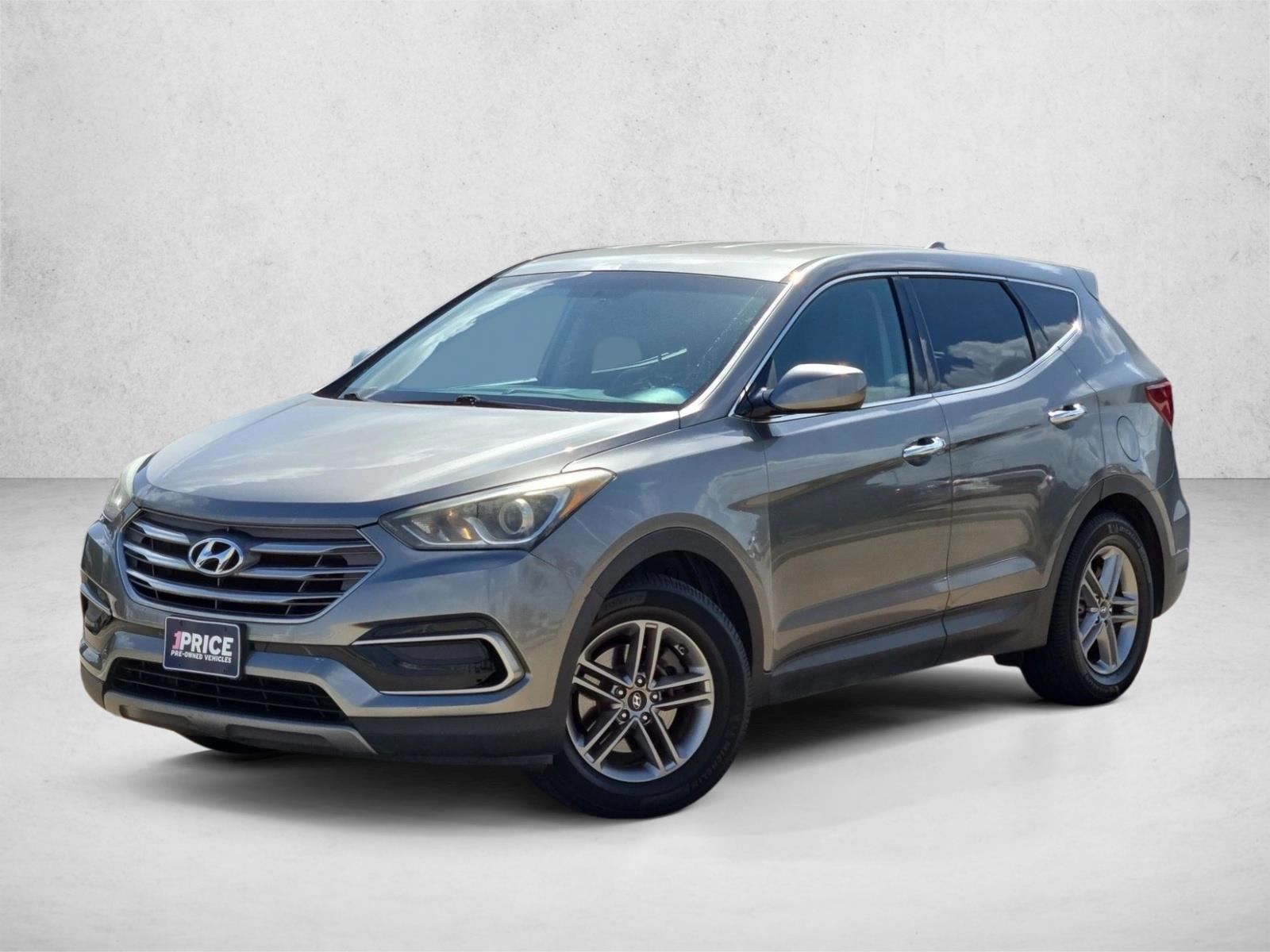
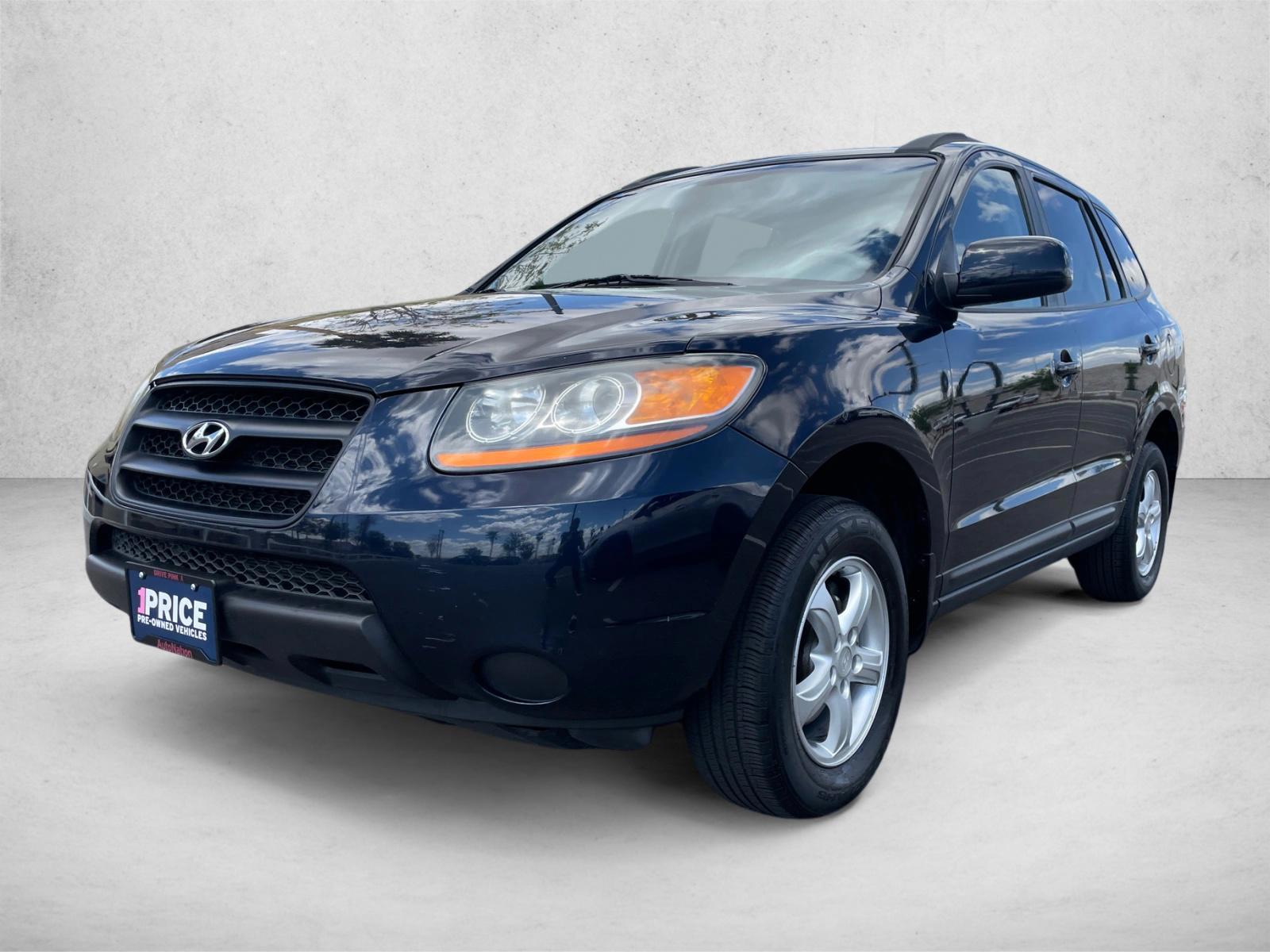
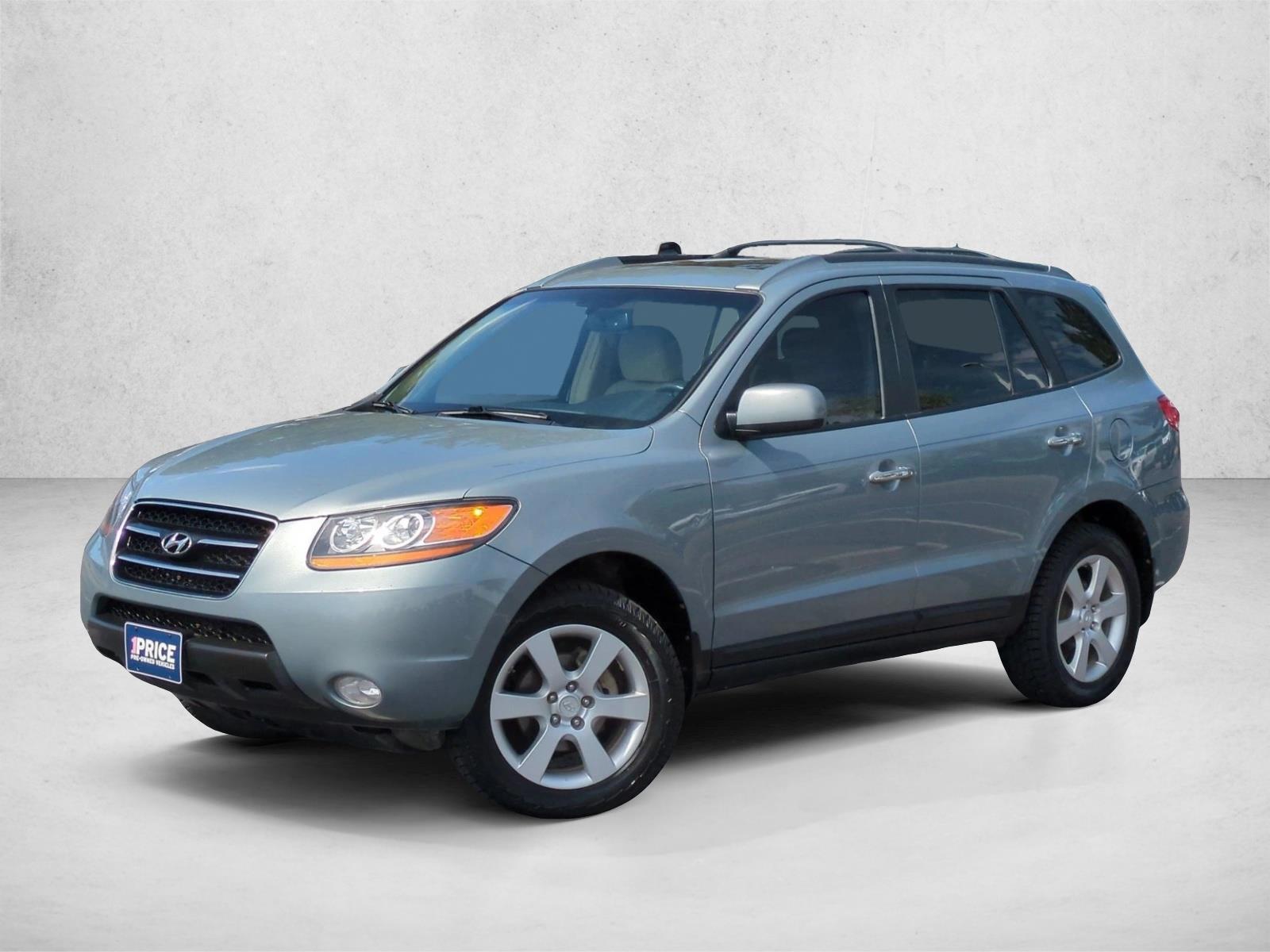
6) Hyundai Santa Fe (2010–2012)
Generous features for the money and a smooth, quiet ride. See typical values on KBB.
- Why it’s good: Comfortable seats, good feature set, usually lower prices than rivals.
- Years to target: 2010–2012 2.4L four-cylinder for lower running costs.
- Watch for: Prior accident damage and transmission service history; verify all accessories work.
7) Kia Sportage (2011–2013)
Modern styling, decent safety equipment, and strong value. Check costs on KBB.
- Why it’s good: Supportive seating height, available backup sensors/camera on some trims.
- Years to target: 2011–2013 2.4L FWD models are often the best values.
- Watch for: Evidence of oil changes at proper intervals; listen for engine noise when cold.
8) Mitsubishi Outlander (2010–2012)
Often overlooked, which keeps prices down; simple and practical. See pricing on KBB.
- Why it’s good: Good visibility, straightforward controls, and typically affordable insurance.
- Years to target: 2010–2012 four-cylinder models for fuel economy.
- Watch for: Worn brakes/tires and overdue CVT fluid service on CVT-equipped trims.
9) Lexus RX 350 (2007–2009)
A luxury crossover with plush comfort and a gentle ride that’s great for aging joints. Check values on KBB.
- Why it’s good: Quiet cabin, soft seats, and a reputation for longevity when maintained.
- Years to target: 2007–2009; higher miles are common under $8k but can still be solid.
- Watch for: Suspension wear and timing chain cover seepage; check all electronics.
10) Honda Element (2007–2011)
Boxy shape equals superb headroom and visibility; clamshell doors ease loading. See prices on KBB.
- Why it’s good: Low step-in, upright seats, durable interior that’s easy to clean.
- Years to target: 2007–2011; aim for stock, unmodified examples.
- Watch for: Rust in northern climates and worn engine mounts; verify regular maintenance.
Where to shop for these SUVs
Cast a wide net and compare private sellers with dealer lots to spot the best-maintained examples:
- Cars.com – Broad listings with dealer reviews and price filters.
- Autotrader – Nationwide reach and good search tools.
- CarGurus – Compares deal ratings against market value.
- Facebook Marketplace – Local private sellers; meet in public and bring a friend.
- Craigslist – Check carefully for scams; insist on a PPI and a clean title.
- Local independent dealers and credit unions – Some offer reconditioned older vehicles with service records.
What seniors should look for in a used SUV
- Easy entry/exit: A seat height roughly at hip level reduces strain.
- Great visibility: Large windows, tall seating, and standard backup camera or sensors.
- Comfort features: Power driver seat with lumbar, heated seats, smooth ride, and low cabin noise.
- Simple controls: Big knobs and clear gauges beat complex touchscreens.
- Safety tech: Electronic stability control (ESC), side-curtain airbags; verify crash-test results via the IIHS.
- Low running costs: Check common issues and maintenance budgets using RepairPal’s reliability info.
How to choose the right one (step by step)
- 1) Set a total budget: Include taxes, registration, insurance, initial maintenance, and a pre-purchase inspection.
- 2) Shortlist 3–4 models: Match your needs (AWD vs. FWD, cargo, seat height) and check price ranges using KBB values.
- 3) Run a vehicle history report: Ask for CARFAX or AutoCheck; avoid salvage or flood titles.
- 4) Check recalls: Enter the VIN at the NHTSA recall site and confirm repairs are done.
- 5) Test-drive the right way: Use a representative route (city, highway, hills) and follow a proven test-drive checklist.
- 6) Get a pre-purchase inspection (PPI): A trusted mechanic can uncover hidden issues—well worth ~$100–$200.
- 7) Negotiate with data: Bring printed comps from multiple listings and price guides; be ready to walk away.
Before you buy: a quick checklist
- Bring a friend or family member to help evaluate comfort and visibility.
- Ensure you can see over the hood and adjust mirrors easily; check that the steering wheel tilts/telescopes.
- Confirm the seat and door openings work well with canes, walkers, or mobility devices you use.
- Ask for service records; prefer vehicles with consistent oil changes and documented repairs.
- Verify cold start behavior, smooth shifting, straight tracking, and quiet braking.
- Budget for new tires, brakes, fluids, and a battery if age/mileage suggests they’re due.
- Re-check insurance costs and registration fees before signing.
Bottom line: With patience and a plan, seniors can confidently find reliable used SUVs under $8,000 that fit their comfort, safety, and budget needs. Use trusted sources like IIHS for safety, price against KBB, and never skip a professional inspection.
 Used
Used
 Used
Used
 Used
Used
 Used
Used
 Used
Used
 Used
Used