Used SUV Listings Under $8,000: What to Compare First
Current inventory for used SUVs under $8,000 may move quickly, so comparing listings early could help you avoid paying more for less.
Prices may shift fast by mileage, condition, and local availability, which often makes filtering results the first step worth taking.What to Sort First in Current Inventory
If you are scanning used SUV listings, you may save time by sorting for a few variables before reading every description. The strongest filters often include total price, clean title status, mileage range, service records, and seat height or ride comfort.
| Model to Compare | Target Years | Why It May Fit | Common Price Drivers | What to Check First | Price Guide |
|---|---|---|---|---|---|
| Honda CR-V | 2007–2011 | May appeal to shoppers who want easy entry, visibility, and a simple layout. | Mileage, AWD, accident history, and maintenance records often affect list price. | A/C, door locks, and fluid-change history. | Honda CR-V pricing |
| Toyota RAV4 | 2006–2010 | May work well for smaller footprints and simple day-to-day driving. | AWD, trim level, mileage, and body condition may move pricing up. | Rear door wear, bushings, and oil-use history. | Toyota RAV4 pricing |
| Toyota Highlander | 2005–2007 | May suit buyers who want a gentler ride and more cabin space. | V6 vs. four-cylinder, rust, and service history may drive prices. | Timing belt service on V6 models and underbody rust. | Toyota Highlander pricing |
| Subaru Forester | 2009–2012 | May help if AWD and wide visibility matter. | AWD demand, engine condition, and service records often shape value. | Oil consumption and proof of regular maintenance. | Subaru Forester pricing |
| Ford Escape | 2010–2012 | May show up often in current inventory and could be easy to service. | Mileage, rust, trim, and tire condition may affect asking price. | Suspension wear and road-salt rust. | Ford Escape pricing |
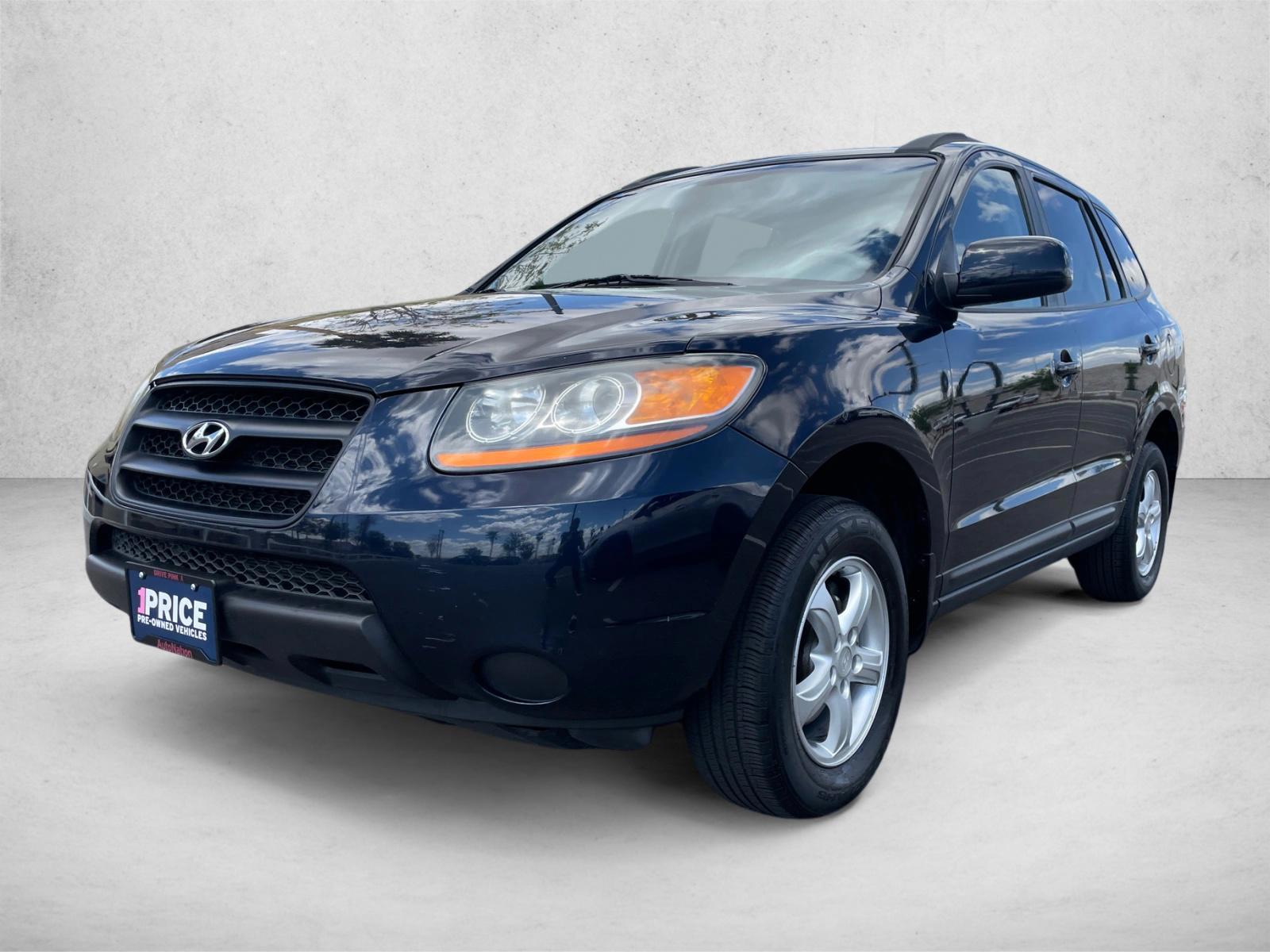
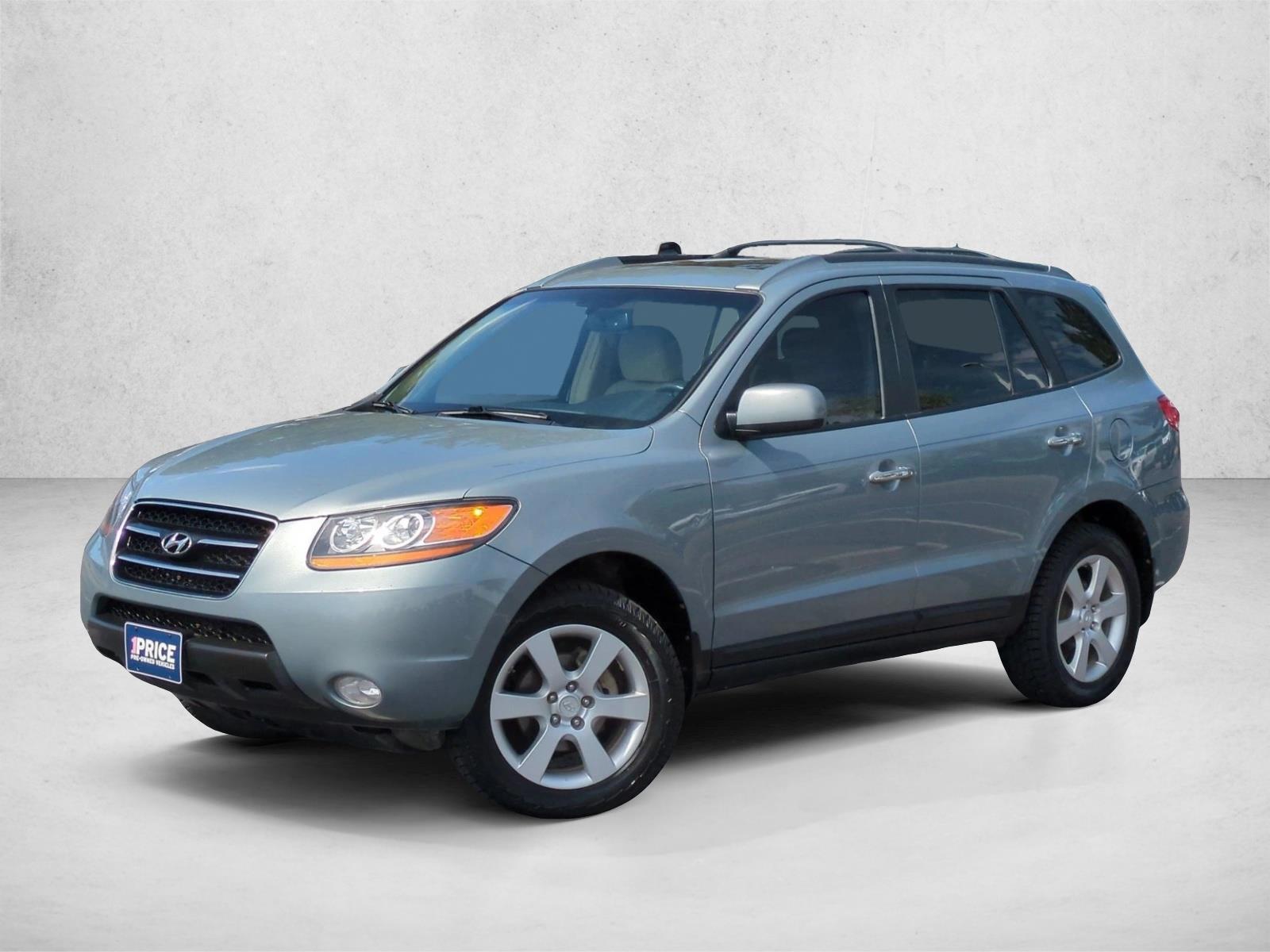
| Hyundai Santa Fe | 2010–2012 | May offer more features per dollar than some rivals. | Trim, prior repairs, and transmission history often matter. | Accident signs, service records, and accessory operation. | Hyundai Santa Fe pricing |
| Kia Sportage | 2011–2013 | May be worth a look if you want newer styling and value-focused trims. | Engine condition, trim features, and seller type may change pricing. | Oil-change history and cold-start engine noise. | Kia Sportage pricing |
| Mitsubishi Outlander | 2010–2012 | May cost less than better-known models in similar condition. | Transmission type, brake wear, and tire age often influence value. | CVT fluid service, brakes, and tire condition. | Mitsubishi Outlander pricing |
| Lexus RX 350 | 2007–2009 | May suit comfort-first shoppers who accept higher mileage. | Mileage, suspension condition, and electronics often drive listing differences. | Suspension wear, fluid seepage, and electronics. | Lexus RX 350 pricing |
| Honda Element | 2007–2011 | May stand out for visibility, headroom, and flexible cargo access. | Rust, modifications, and mileage may change value quickly. | Rust, engine mounts, and signs of heavy modification. | Honda Element pricing |
How to Filter Current Listings
Filtering results well may matter more than looking at the largest number of vehicles. A short, clean list often makes comparing listings much easier.
- Set a hard price cap at $8,000, then leave room for taxes, registration, insurance, and a pre-purchase inspection.
- Filter for clean title only. Salvage or flood history may lower the price, but it could raise risk.
- Start with four-cylinder trims if lower running costs matter more than power.
- Sort by newest first and then lowest mileage to see how current inventory changes.
- Use keyword filters for backup camera, heated seats, power seat, AWD, or service records if those features matter.
- Expand the search radius if local availability looks thin, then compare transport time against better pricing.
You may also want to sort through local offers on major marketplaces. Cars.com, Autotrader, and CarGurus often make dealer and private-party comparisons easier, while Facebook Marketplace and Craigslist may show more local private-seller inventory.
Where Price Drivers May Shift the Most
Two listings for the same model year may still land far apart on price. That gap often comes from condition more than model name.
- Mileage: Lower mileage may raise the asking price, but maintenance history could matter just as much.
- Drivetrain: AWD versions often list higher than FWD versions.
- Rust and climate: Vehicles from snowy regions may need closer underbody checks.
- Records: Clean service history may support a stronger price.
- Seller type: Dealer listings may include reconditioning, while private listings may start lower.
For baseline pricing, you may compare asking prices against Kelley Blue Book car values. That step could help you spot listings that may be underpriced for a reason or overpriced for the condition shown.
How to Review History, Safety, and Running Costs
Once a listing makes the shortlist, a few checks may remove weaker options fast. This stage often matters more than cosmetic details.
- Run a vehicle history report through CARFAX or AutoCheck.
- Check open recalls at the NHTSA recall site by VIN.
- Review crash-test information at the IIHS ratings database for the exact year and trim when possible.
- Estimate likely repair patterns with RepairPal reliability information.
- Use a route with city streets, highway speeds, and rough pavement, then compare notes with the Edmunds test-drive checklist.
10 Used SUVs Under $8,000 to Compare
Honda CR-V (2007–2011)
The Honda CR-V may be one of the easier used SUVs under $8,000 to compare because inventory often stays broad. It could make sense if visibility, low step-in height, and cargo flexibility rank high.
Toyota RAV4 (2006–2010)
The Toyota RAV4 may work well if you want a compact SUV that still feels practical. Four-cylinder versions often make sense for simpler upkeep.
Toyota Highlander (2005–2007)
The Toyota Highlander may fit shoppers who want more room and a calmer ride. V6 models may need closer service review, especially for timing belt work.
Subaru Forester (2009–2012)
The Subaru Forester may appeal if all-weather traction and upright seating matter. Standard AWD often supports demand, which may tighten local availability.
Ford Escape (2010–2012)
The Ford Escape often shows up in current inventory, which may make side-by-side comparison easier. The 2.5L four-cylinder versions could be simpler to budget around.
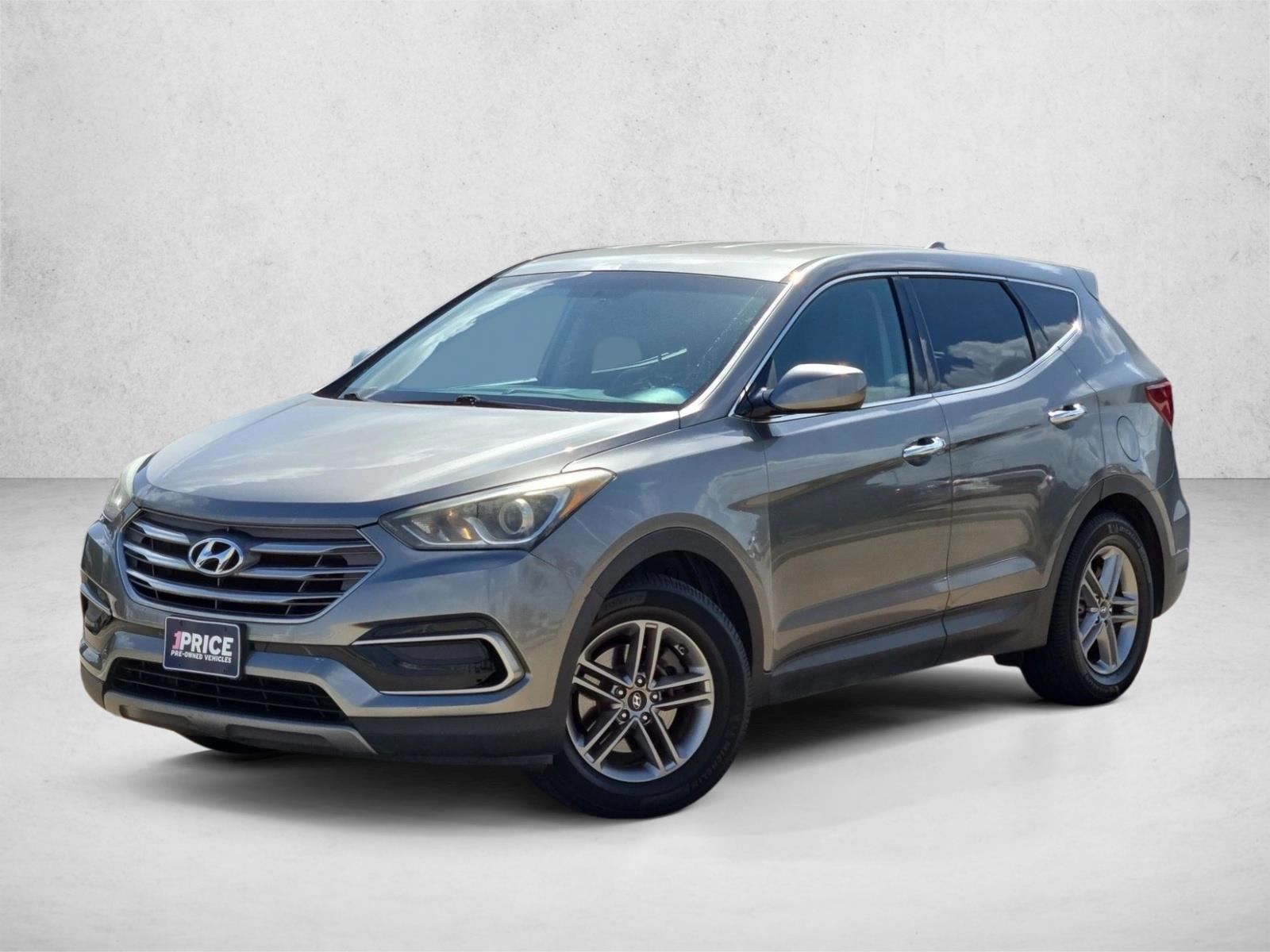
Hyundai Santa Fe (2010–2012)
The Hyundai Santa Fe may offer a lot of equipment for the money. Listing quality may vary, so accident history and service documentation could matter more than trim badges.
Kia Sportage (2011–2013)
The Kia Sportage may look newer than some rivals in the same price band. Engine history and oil-change records could make or break the listing.
Mitsubishi Outlander (2010–2012)
The Mitsubishi Outlander may attract shoppers who want lower asking prices and simpler controls. CVT-equipped versions may deserve extra record checks.
Lexus RX 350 (2007–2009)
The Lexus RX 350 may offer stronger comfort than many rivals, though mileage often runs higher at this budget. Suspension and electronics could deserve extra attention during comparison.
Honda Element (2007–2011)
The Honda Element may stand out if visibility, headroom, and easy loading matter most. Clean, unmodified examples may be harder to find, so current inventory could change fast.
Before You Compare Listings Side by Side
- Bring another person if seat comfort, visibility, or entry height may be hard to judge alone.
- Check cold-start behavior, transmission shifts, braking feel, and straight tracking.
- Look for matching tires, recent fluids, and signs of regular oil changes.
- Confirm that mirrors, seat adjustments, door openings, and cargo access still feel easy to use.
- Budget for a pre-purchase inspection even if the listing looks clean.
Comparing listings may work best when you narrow the field to three or four models, check local availability, and verify price drivers before contacting sellers. From there, you could review listings, sort through local offers, and move forward only on vehicles that still look strong after history, safety, and inspection checks.
 Used
Used
 Used
Used
 Used
Used
 Used
Used
 Used
Used
 Used
Used