Reliable Used SUVs Under $8,000: Why Market Timing May Matter Before You Compare
What many shoppers may miss is that timing may matter almost as much as price when comparing reliable used SUVs under $8,000.
Dealer trade-in cycles, tax-refund season, weather shifts, and reconditioning backlogs may all change which vehicles show up, how clean they look, and how quickly they move. If you check current timing instead of checking once, you may spot stronger value before the most practical choices disappear.Why the market may feel uneven from week to week
Older SUVs often move through the market in waves. A dealer may take in several trade-ins after a holiday weekend, then need days or weeks to inspect, clean, price, and list them. That lag may make one week look thin and the next week look much better.
Seasonality may matter too. AWD models like the Subaru Forester or Toyota RAV4 may draw more attention before bad weather, while fuel-conscious shoppers may crowd compact crossovers when gas prices rise. That demand shift may push cleaner examples higher, even when the age and mileage look similar.
Another factor may be familiarity. Many buyers chase the same Honda and Toyota names first, which may leave lower-profile models sitting longer. That may create openings for shoppers who compare options instead of locking onto one badge too early.
10 reliable used SUVs under $8,000 to compare today
The list below may help you review models that often show up in current listings at or close to this budget, usually with higher mileage. For price context, many shoppers may start with KBB values and safety context from the IIHS ratings database, then compare local inventory and condition.
| Model | Why shoppers may watch it | Years often seen around this range | What timing and condition may affect | Price guide |
|---|---|---|---|---|
| Honda CR-V | Strong resale may reflect steady demand for comfort, visibility, and longevity. | 2007–2011 | Cleaner examples may move fast, so A/C, locks, and fluid history may matter more than mileage alone. | Honda CR-V pricing |
| Toyota RAV4 | Compact size and brand loyalty may keep demand firm. | 2006–2010 | Rear door wear, bushings, and oil-use checks may separate average units from stronger ones. | Toyota RAV4 pricing |
| Toyota Highlander | A gentle ride and higher seating may keep it popular with comfort-focused buyers. | 2005–2007 | Rust, timing belt service on V6 models, and long-trip wear may change value quickly. | Toyota Highlander pricing |
| Subaru Forester | Standard AWD may draw more attention when weather turns. | 2009–2012 | Seasonal demand may rise, so service records and oil-consumption checks may be key. | Subaru Forester pricing |
| Ford Escape | Wide supply and easy parts access may help shoppers find workable examples. | 2010–2012 | Rust and suspension wear may vary a lot by climate and prior use. | Ford Escape pricing |
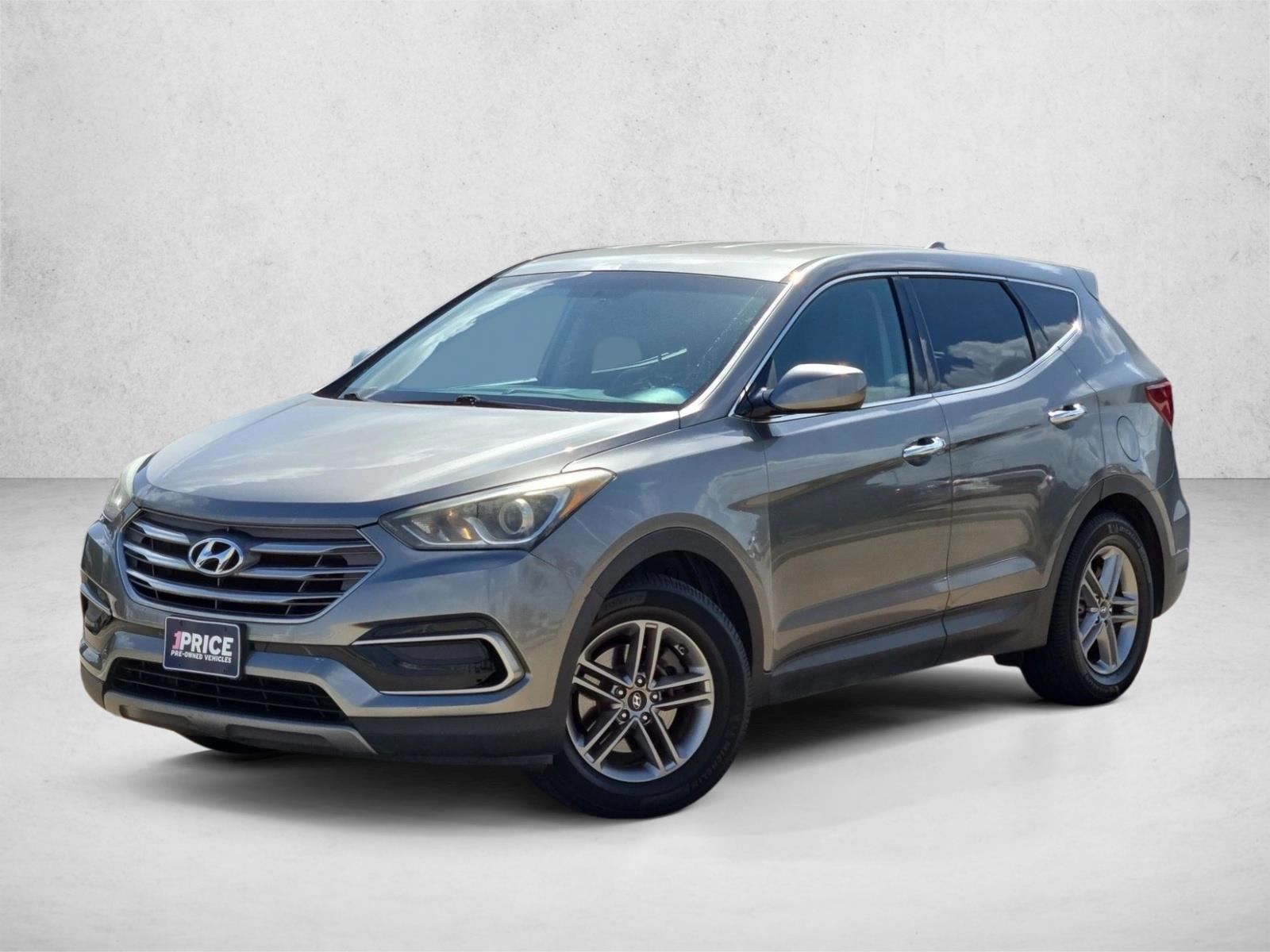
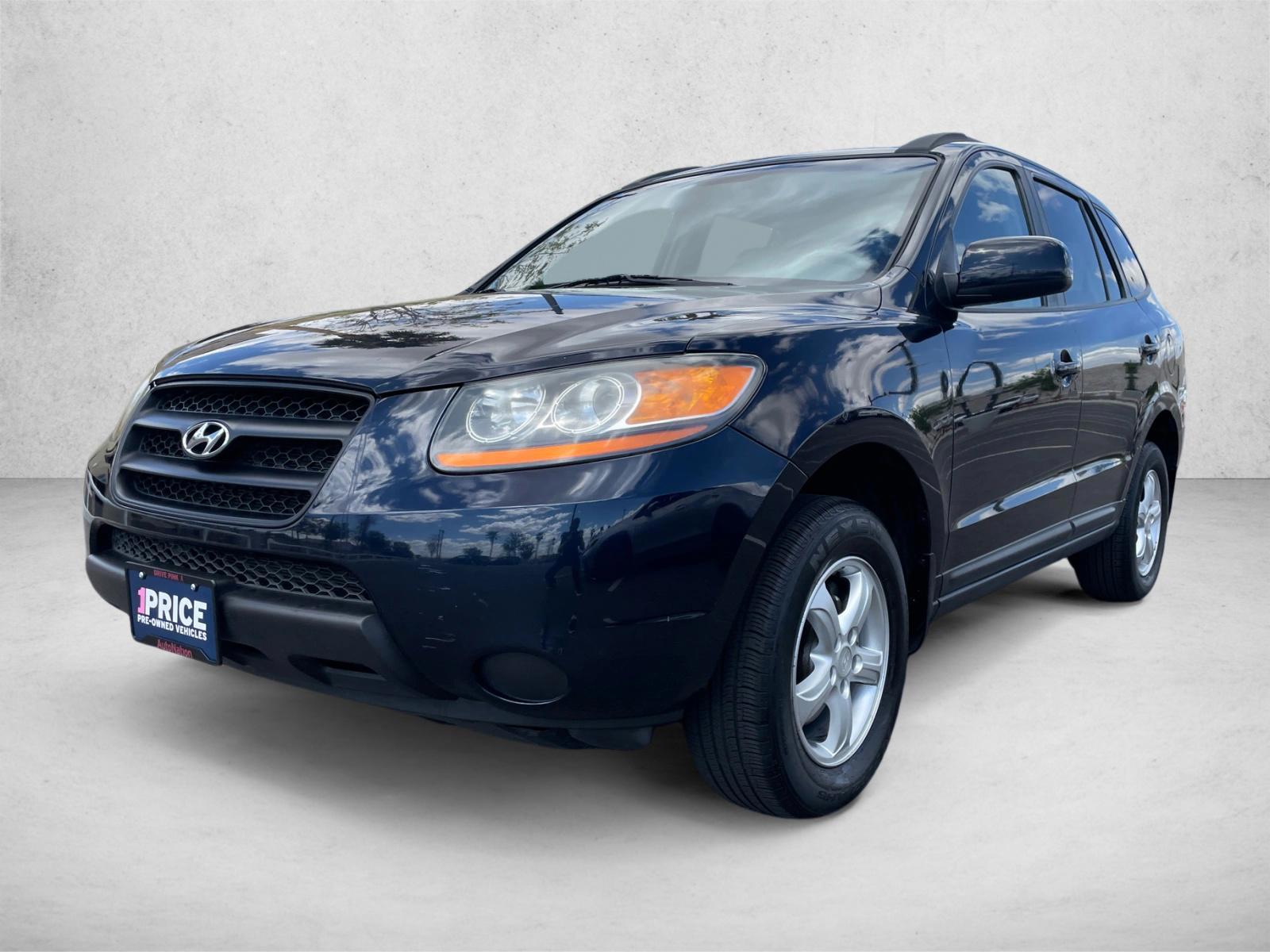
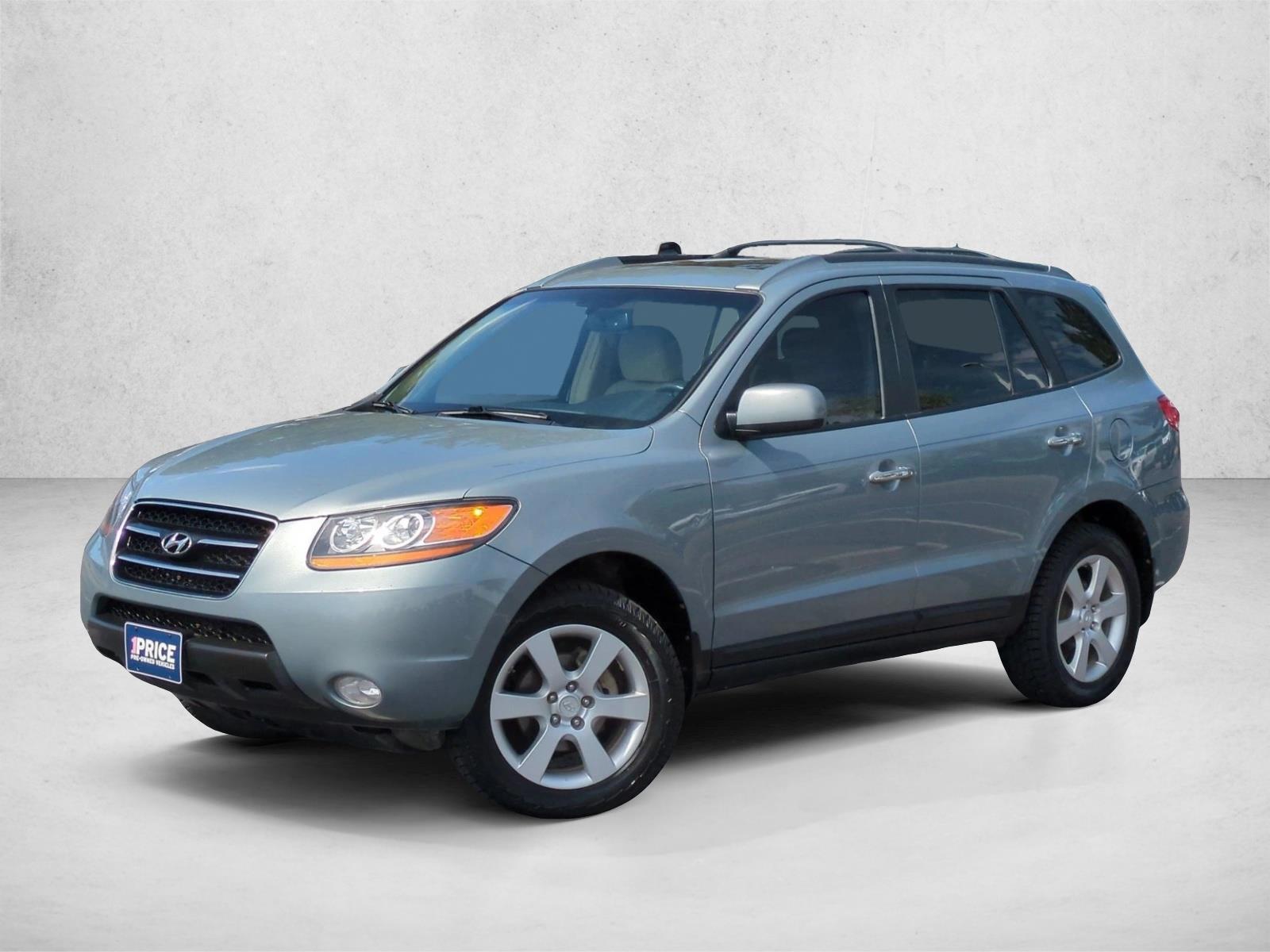
| Hyundai Santa Fe | Feature content may look strong for the money when buyers compare trims carefully. | 2010–2012 | Accident history and transmission service may matter more than sticker price. | Hyundai Santa Fe pricing |
| Kia Sportage | It may appeal to shoppers who want newer styling without paying CR-V money. | 2011–2013 | Cold-start engine noise and oil-change history may affect whether a listing deserves a closer look. | Kia Sportage pricing |
| Mitsubishi Outlander | Lower brand attention may leave more room for negotiation. | 2010–2012 | Brake wear, tires, and CVT service may matter because overlooked vehicles may also be under-maintained. | Mitsubishi Outlander pricing |
| Lexus RX 350 | Luxury comfort may enter budget range when mileage climbs. | 2007–2009 | Electronics, suspension wear, and seepage checks may matter because repairs may cost more than with mainstream models. | Lexus RX 350 pricing |
| Honda Element | Its tall roof and easy access may keep demand steady among practical buyers. | 2007–2011 | Unmodified examples may be harder to find, so rust and mount wear may deserve extra attention. | Honda Element pricing |
Why the familiar names may cost more
The Honda CR-V, Toyota RAV4, and Toyota Highlander often attract repeat demand because buyers may trust their track record. That may reduce your negotiating room, especially when the listing includes service records and a clean body.
If one of these models is your target, checking more often may matter. The strongest examples may not stay listed long, especially when a seller prices close to book value.
Why overlooked models may create openings
The Ford Escape, Hyundai Santa Fe, Kia Sportage, and Mitsubishi Outlander may sometimes sit longer simply because fewer buyers search for them first. That slower pace may give you more time for a vehicle history report, a test drive, and a pre-purchase inspection.
The tradeoff may be condition spread. Some lower-visibility models may be strong values, while others may have deferred maintenance that only shows up under close review.
Why comfort-focused shoppers may check luxury or niche options
The Lexus RX 350 and Honda Element may serve very different needs, yet both may appeal to shoppers who care about easy entry, visibility, or less joint strain. Timing may matter here too, because niche demand may be less predictable than mainstream demand.
Where to review listings and compare current market offers
Supply may show up in different places first, so broad search coverage may help. A dealer site may post before a car reaches large marketplaces, while private sellers may list locally before they price against the broader market.
- Cars.com listings may help you compare dealer inventory and reviews.
- Autotrader listings may help you scan a wide mix of dealer and private-party options.
- CarGurus market comparisons may help you judge how a listing lines up with surrounding prices.
- Facebook Marketplace vehicle listings may surface nearby private sellers quickly, though caution may matter.
- Craigslist vehicle listings may still uncover older used SUV inventory, but title checks and meeting safety may be important.
- Local independent dealers and credit unions may sometimes offer reconditioned older SUVs with service records.
If you want to review today’s market offers, compare the same model across at least two or three listing sources. That may show whether a “low” price reflects true value or a condition problem.
What seniors may want to look for in a used SUV
- Easy entry and exit: A seat height around hip level may reduce strain.
- Clear visibility: Big windows, upright seating, and sensors or a camera may help on busy roads and tight lots.
- Comfort features: A power seat, lumbar support, heated seats, and a smooth ride may matter more on older vehicles than screen size.
- Simple controls: Large knobs and clear gauges may feel easier to use than layered touch menus.
- Crash protection: You may want to verify year-specific results through the IIHS crash-test ratings.
- Running costs: Common repairs may be easier to estimate through RepairPal reliability information.
These factors may become more important when shopping on a fixed budget. A lower asking price may not help much if the ride is harsh, entry is awkward, or repairs show up right away.
How many careful buyers may narrow the field
- Set a real budget: Taxes, registration, insurance, overdue maintenance, and a pre-purchase inspection may all need room in the plan.
- Check price ranges first: Shortlist three or four models, then compare KBB values with live listings.
- Pull a vehicle history report: A seller may provide CARFAX or AutoCheck, and both may help flag title or accident concerns.
- Look for open recalls: The VIN may be checked through the NHTSA recall lookup.
- Drive a mixed route: A city-and-highway test may reveal more than a short loop around the block, and this Edmunds test-drive checklist may help you stay organized.
- Use a pre-purchase inspection: A mechanic may catch leaks, suspension wear, tire issues, or signs of poor repair work before money changes hands.
This process may sound slow, but market timing often rewards prepared buyers. When a cleaner used SUV appears, having your shortlist and inspection plan ready may help you move without rushing blindly.
Checking current timing before you call or visit
- Ask how long the SUV has been listed. A longer listing age may create more room to compare options or negotiate.
- Ask whether the vehicle just arrived from trade-in. Fresh arrivals may not have full photos, records, or shop notes yet.
- Ask whether reconditioning is complete. A low early price may change after tires, brakes, or detailing are finished.
- Ask for service records before making the trip. Good paperwork may matter as much as a low sticker.
- Ask for cold-start video if the seller is private. That may reveal noises that a warmed-up engine can hide.
- Recheck insurance and registration costs. Older SUVs may vary more than expected by trim and engine.
Bottom line: The used SUV market may reward timing, patience, and comparison more than many shoppers expect. If you review today’s market offers, compare current listings, and check current timing before deciding, you may find a used SUV that better fits comfort needs, budget limits, and long-term ownership risk.
 Used
Used
 Used
Used
 Used
Used
 Used
Used
 Used
Used
 Used
Used