Used SUVs Under $8,000: What Seniors Should Compare Before Choosing
The biggest mistake with a used SUV under $8,000 is focusing on the badge or low mileage before checking seat height, visibility, and maintenance history.
For many seniors, the right SUV is the one that feels easy to enter, easy to see out of, and inexpensive to keep on the road. Under this budget, higher mileage is common, so condition and service records often matter more than model year alone.
This guide highlights reliable used SUVs under $8,000 that may offer a good mix of comfort, value, and durability. It also helps to compare asking prices with Kelley Blue Book values and confirm crash-test details for the exact year and trim at the IIHS ratings site.
What matters most before you choose
A lower sticker price does not always mean a lower total cost. Tires, brakes, fluids, a battery, registration, insurance, and a pre-purchase inspection can change what a bargain really costs.
Comfort also matters more than many buyers expect. A vehicle with a hip-level seat, wide door opening, simple controls, and large windows can be easier to live with every day than a model with more features but a worse driving position.
- Easy entry and exit: Look for a seat height that reduces bending and climbing.
- Visibility: Large windows, thinner pillars, and a clear view over the hood can make driving less tiring.
- Ride comfort: Softer suspensions and supportive seats may help on longer trips.
- Running costs: Common repairs and routine maintenance often matter more than fuel economy alone.
- Safety basics: Electronic stability control, side-curtain airbags, and stronger crash ratings are worth checking by year.
- Controls: Big knobs and clear gauges are often easier to use than older, cluttered infotainment setups.
| Model | Why seniors often consider it and what to review |
|---|---|
| Honda CR-V (2007–2011) | Comfortable ride, good visibility, and flexible cargo space. Check A/C operation, door locks, and service history. |
| Toyota RAV4 (2006–2010) | Compact size and good practicality can suit daily errands well. Inspect rear door hardware, suspension wear, and signs of oil use. |
| Toyota Highlander (2005–2007) | Roomier cabin and gentle ride may work well for trips or family hauling. Review rust, V6 timing belt records, and overall upkeep. |
| Subaru Forester (2009–2012) | Tall windows and standard AWD can appeal in bad weather. Check oil consumption history and favor non-turbo examples for simplicity. |
| Ford Escape (2010–2012) | Easy to park and common on the used market, which can help with parts and repair access. Inspect for rust and worn suspension pieces. |
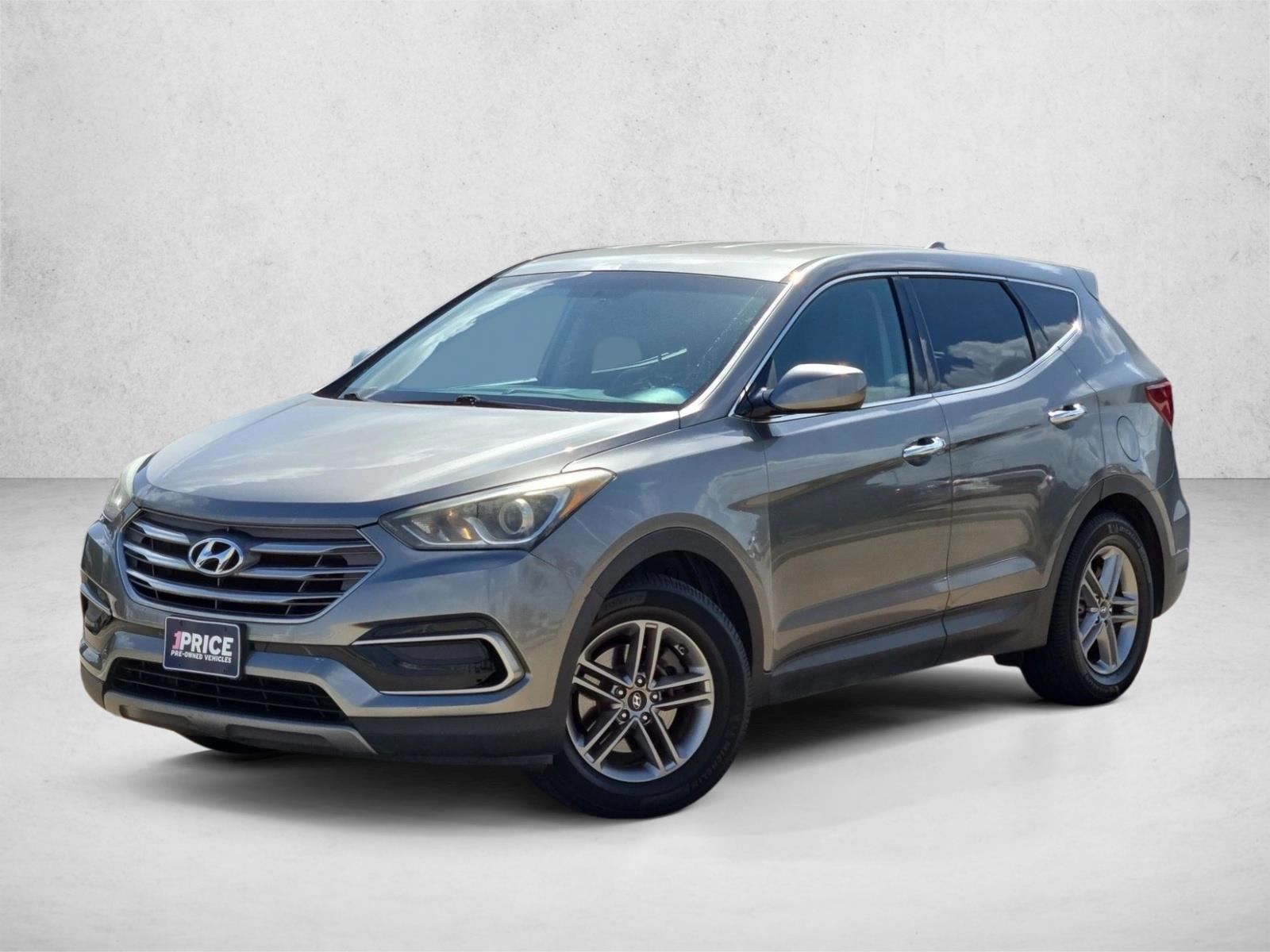
| Hyundai Santa Fe (2010–2012) | Often includes useful features for the money and has a smooth ride. Review transmission service history and test every accessory. |
| Kia Sportage (2011–2013) | Modern design and decent equipment can make it feel newer than its price suggests. Look for regular oil changes and listen for engine noise on cold start. |
| Mitsubishi Outlander (2010–2012) | Often overlooked, which may keep prices lower. Check brakes, tires, and CVT fluid service if equipped. |
| Lexus RX 350 (2007–2009) | Quiet cabin and softer ride may help if comfort is the priority. Higher mileage is common, so inspect suspension wear and electronics carefully. |
| Honda Element (2007–2011) | Excellent headroom, upright seating, and easy-clean interior can suit some buyers very well. Check for rust, worn mounts, and signs of heavy modification. |
10 reliable used SUVs under $8,000 worth shortlisting
Honda CR-V (2007–2011)
The CR-V is one of the easier compact SUVs to recommend because it usually combines good outward visibility with a calm, car-like ride. You can review typical trim pricing on KBB’s CR-V page.
- Why many seniors like it: Low step-in height, comfortable seats, and practical cargo space.
- Years to target: 2007–2011 with the 2.4L engine and as few modifications as possible.
- What to inspect: Air conditioning, door lock actuators, and records showing regular fluid service.
Toyota RAV4 (2006–2010)
The RAV4 has a smaller footprint than some rivals, which can make parking easier without giving up everyday usefulness. Pricing by trim and condition is easy to compare on KBB’s RAV4 page.
- Why many seniors like it: Good Toyota reliability, easy maneuvering, and available AWD.
- Years to target: 2006–2010, especially four-cylinder versions for simpler upkeep.
- What to inspect: Rear door hinge wear, suspension bushings, and any signs of excessive oil consumption.
Toyota Highlander (2005–2007)
If you want more room and a gentler highway ride, the Highlander may be easier to live with than a smaller compact SUV. Compare market values on KBB’s Highlander page.
- Why many seniors like it: Higher seating position, quiet cabin, and useful rear-seat space.
- Years to target: 2005–2007, with either the four-cylinder or a well-documented V6.
- What to inspect: Timing belt service on V6 models and rust if the vehicle spent time in snowy climates.
Subaru Forester (2009–2012)
The Forester stands out for its tall glass area and upright driving position, which many shoppers find confidence-inspiring. You can check pricing on KBB’s Forester page.
- Why many seniors like it: Excellent visibility, standard AWD, and easy cargo access.
- Years to target: 2009–2012 non-turbo models for lower complexity.
- What to inspect: Oil consumption history and clear proof of regular maintenance.
Ford Escape (2010–2012)
The Escape is widely available, which can make it easier to find parts, compare examples, and shop around. Price trends are available on KBB’s Escape page.
- Why many seniors like it: Straightforward controls, comfortable ride, and easy parking.
- Years to target: 2010–2012 with the 2.5L four-cylinder for simpler ownership.
- What to inspect: Rust, worn front suspension parts, and general wear from higher mileage use.
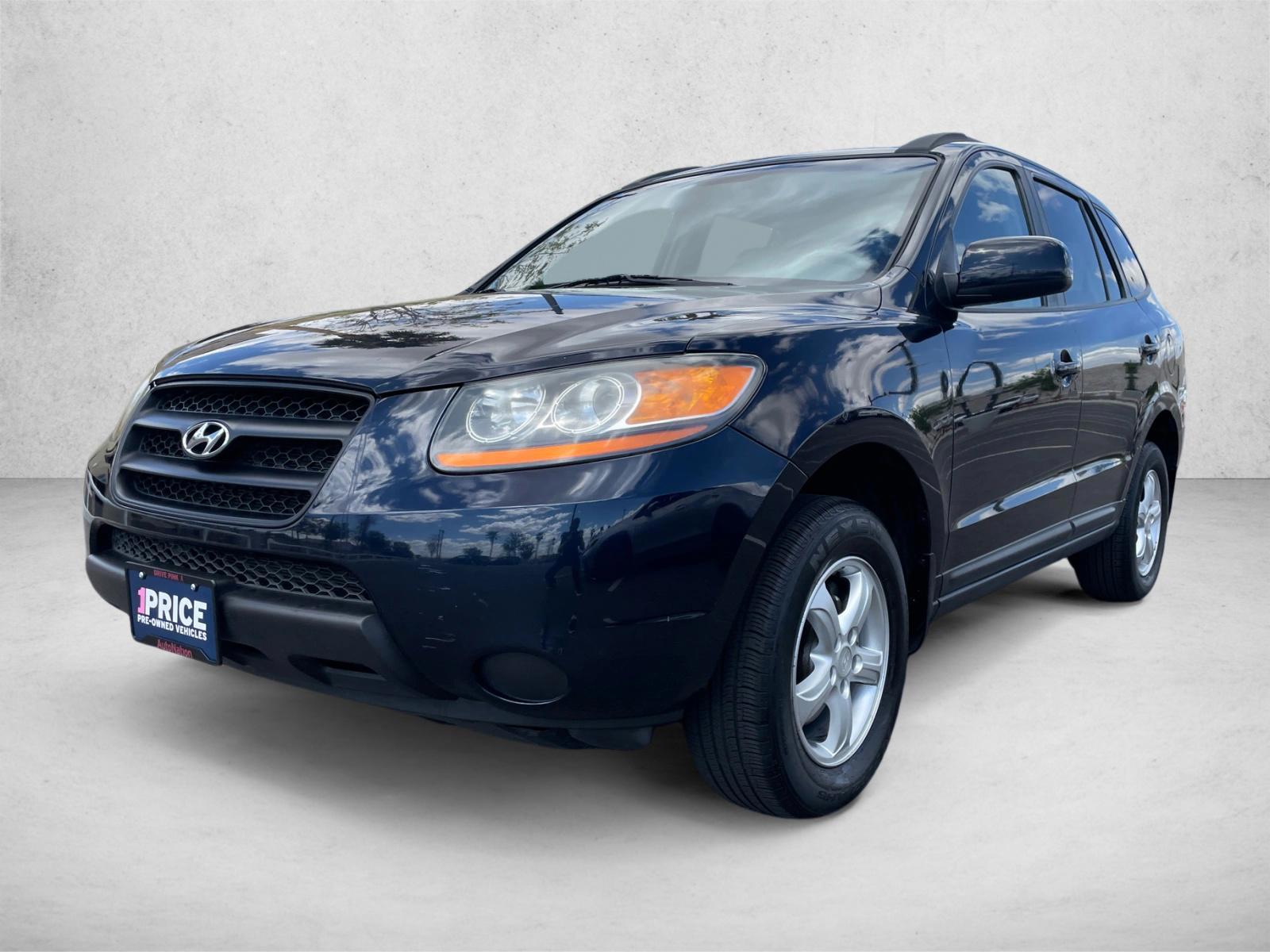
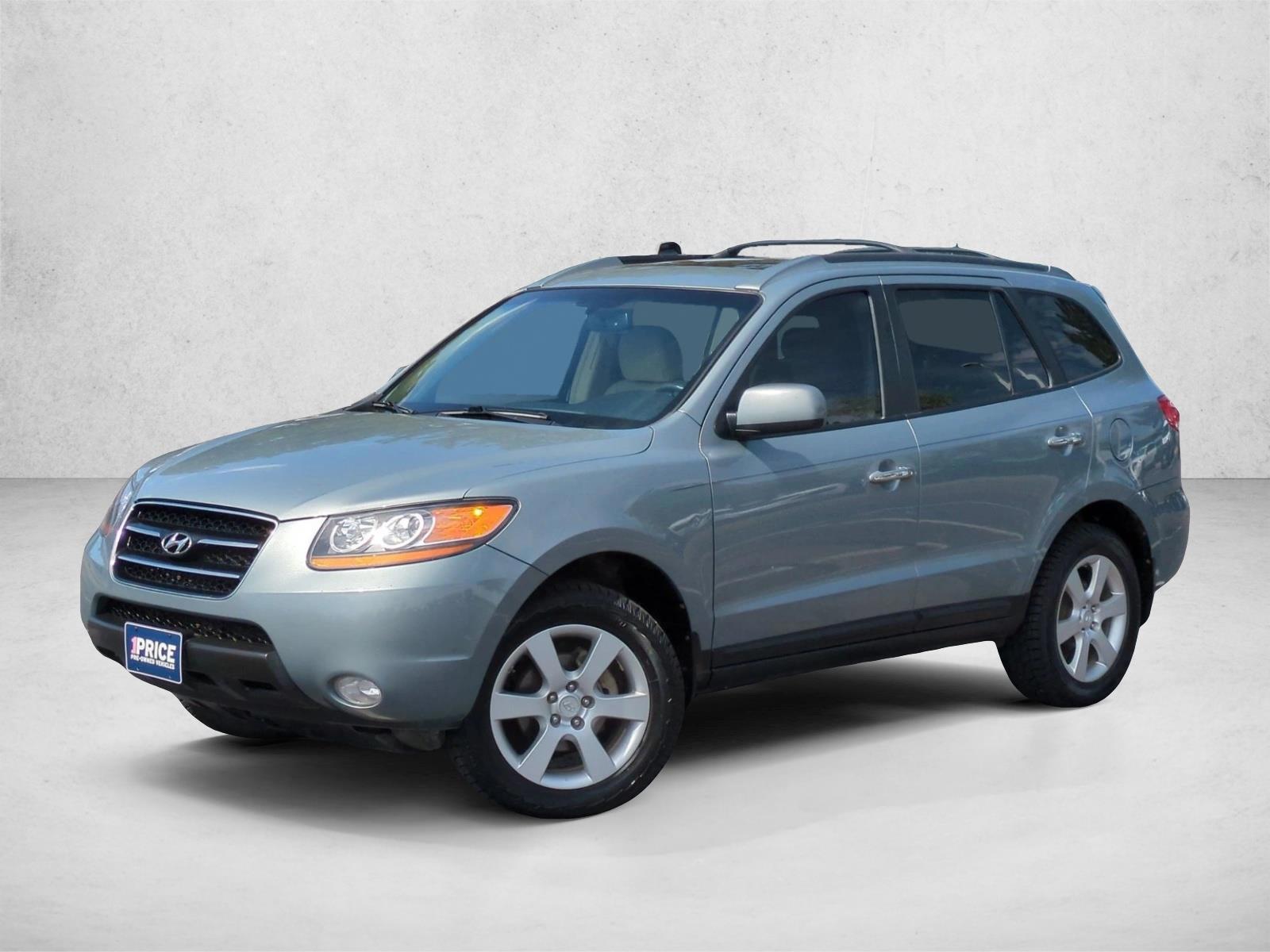
Hyundai Santa Fe (2010–2012)
The Santa Fe can offer a smoother, quieter feel than some other used SUVs in this price band. Compare asking prices with KBB’s Santa Fe page.
- Why many seniors like it: Comfortable seats, a decent feature set, and competitive used pricing.
- Years to target: 2010–2012 with the 2.4L four-cylinder if lower running costs are the goal.
- What to inspect: Accident history, transmission service records, and all power accessories.
Kia Sportage (2011–2013)
The Sportage may appeal to shoppers who want a used SUV that feels a bit newer inside and out. You can check typical values on KBB’s Sportage page.
- Why many seniors like it: Supportive seating height and available parking aids on some trims.
- Years to target: 2011–2013 2.4L front-wheel-drive models for value.
- What to inspect: Oil-change history and any unusual engine noise when starting cold.
Mitsubishi Outlander (2010–2012)
The Outlander does not get as much attention as some rivals, and that can help keep used prices reasonable. Review market pricing on KBB’s Outlander page.
- Why many seniors like it: Good visibility, simple controls, and practical everyday use.
- Years to target: 2010–2012 four-cylinder models if fuel economy matters.
- What to inspect: Brake wear, tire condition, and CVT service records where applicable.
Lexus RX 350 (2007–2009)
The RX 350 can be a smart pick for buyers who care most about ride comfort and a quieter cabin, even if mileage is higher. Compare used values on KBB’s RX 350 page.
- Why many seniors like it: Soft seats, gentle ride quality, and long-term durability when maintained.
- Years to target: 2007–2009, understanding that under-$8,000 examples often have substantial miles.
- What to inspect: Suspension wear, timing chain cover seepage, and the operation of every electronic feature.
Honda Element (2007–2011)
The Element is less conventional, but its upright shape can make it unusually easy to get into and see out of. Typical values are listed on KBB’s Element page.
- Why many seniors like it: Excellent headroom, low step-in, and a durable, easy-clean interior.
- Years to target: 2007–2011, with stock examples usually being the safer bet.
- What to inspect: Rust, worn engine mounts, and any signs of heavy off-road or custom use.
Where to shop for a well-kept older SUV
At this budget, the cleanest example is often a better buy than the most popular nameplate. It can help to compare dealer inventory, private-party listings, and local independent sellers rather than relying on one site.
- Cars.com can be useful for broad inventory searches and dealer reviews.
- Autotrader offers wide national coverage and strong search filters.
- CarGurus may help you compare asking prices against market trends.
- Facebook Marketplace can surface private-party deals, but it is wise to meet in public and bring someone with you.
- Craigslist may have lower-priced listings, though buyers should watch carefully for scams and title issues.
- Local independent dealers and credit unions sometimes have older, reconditioned vehicles with service records.
How seniors can narrow the list faster
If entry and exit are the main concern, focus first on the CR-V, Forester, Highlander, RX 350, and Element. If parking ease matters more, the RAV4, Escape, and Sportage may feel more manageable.
If lower running costs are the goal, four-cylinder trims are often the simpler place to start. You can also check common repair patterns and ownership data using RepairPal reliability information.
- For smoother rides: Toyota Highlander, Lexus RX 350, Hyundai Santa Fe.
- For visibility: Subaru Forester, Honda CR-V, Honda Element.
- For value-focused shopping: Ford Escape, Mitsubishi Outlander, Hyundai Santa Fe.
- For easier city driving: Toyota RAV4, Ford Escape, Kia Sportage.
- For snowy climates: Subaru Forester or AWD versions of the RAV4, CR-V, or Highlander may be worth considering.
A safer buying process for older SUVs
Older vehicles can still be dependable, but the buying process matters more as mileage climbs. A few checks up front may help you avoid a costly surprise later.
- Set a total budget: Include taxes, registration, insurance, initial service, and a pre-purchase inspection that often costs about $100 to $200 depending on the shop.
- Shortlist three or four models: Compare realistic values with KBB price guides before you start negotiating.
- Review vehicle history: Ask for a CARFAX report or AutoCheck report and be cautious with salvage or flood titles.
- Check open recalls: Enter the VIN at the NHTSA recall site and confirm recall work has been completed.
- Test-drive on real roads: Use city streets and highway speeds, and follow a basic Edmunds test-drive checklist.
- Get a pre-purchase inspection: A trusted mechanic can spot leaks, worn suspension parts, accident repairs, and overdue maintenance.
Questions to ask before signing
- Can you enter and exit the SUV without grabbing the steering wheel or door frame for support?
- Can you see clearly over the hood and adjust the mirrors without strain?
- If you use a cane, walker, or mobility aid, does the door opening and cargo area work for your routine?
- Are there service records showing regular oil changes, transmission service, and major repairs?
- Does it start cleanly from cold, shift smoothly, brake quietly, and track straight on the road?
- Are tires, brakes, battery, and fluids likely to need attention soon?
- Have you checked insurance and registration costs before making a final decision?
Bottom line
A reliable used SUV under $8,000 can still be a practical choice for many seniors, but the right fit usually comes from matching comfort and condition, not just chasing the lowest asking price. Use pricing tools, safety ratings, history reports, and a professional inspection to narrow the list with more confidence.
 Used
Used
 Used
Used
 Used
Used
 Used
Used
 Used
Used
 Used
Used